Dentistry Beyond the Brush: The Hidden Science Behind Effective Dental Cleanings
The daily commitment to oral hygiene, the two minutes spent vigorously brushing, the rhythmic sweep of the floss, often grants us a false sense of comprehensive security. We operate under the assumption that this routine is enough to manage the health of our mouth and, consequently, our body. Yet, the true story of effective dental care moves far beyond the bristles of a toothbrush and into a complex scientific realm where meticulous, professional dental cleanings are non-negotiable. Good oral health is not merely a cosmetic pursuit; it is a foundational component of overall well-being, demanding a proactive, informed defense against microscopic threats.
The Dynamic Ecosystem of the Mouth
To appreciate the necessity of professional care, one must first understand the mouth’s intricate biological function. It is a bustling environment, the very entry point for both the long pathway of digestive organs and the critical system of respiratory tracts, the organs responsible for breathing.
The Mouth: A Gateway to Systemic Health
Because of its function, the mouth naturally contains countless germs. While the body’s own defenses and diligent daily care, such as consistent brushing and flossing, generally keep these microorganisms under control, any lapse in hygiene allows germs to proliferate. When these germs spread unchecked, they can cause serious issues, including gum disease and tooth decay. The threat is subtle but constant, revealing why the standard of oral care must be continually reinforced by professional expertise.
The Crucial Role of Saliva
One of the body’s primary, yet often overlooked, defense mechanisms is saliva, frequently referred to as “spit”. Saliva is essential because it constantly washes away food debris and, more critically, it maintains a balance against the harmful acids produced by infectious germs. This neutralizing action prevents germs from spreading and initiating disease. However, this natural defense can be compromised by various common medications, including decongestants, antidepressants, painkillers, antihistamines, and water pills, all of which can significantly decrease saliva flow. When saliva production is low, the risk of germ proliferation and subsequent illness rises sharply, underscoring the delicate balance required for sustained oral health.
Unveiling the Mouth-Body Connection
The profound relationship between oral conditions and general well-being is encapsulated by the concept of the Mouth-Body Connection. This principle acknowledges that oral health is a vital aspect of overall well-being, forcing dentists to prioritize the health of the entire person, not just the condition of the teeth. When oral hygiene declines, the resulting oral irritation and swelling, known as inflammation, combined with rampant germs, are strongly linked to severe gum disease, or periodontitis. Studies indicate that these oral germs and the resultant inflammation may actively contribute to the development or progression of chronic, systemic diseases throughout the body.
Oral Health and Cardiovascular Risks
The systemic consequences of neglecting oral health can be severe, demonstrating that the mouth is a true window into one’s overall physical condition. In rare but serious cases, germs originating in the mouth can travel through the bloodstream and attach to the inner lining of the heart’s chambers or valves, resulting in a dangerous infection called endocarditis, which can be fatal. Furthermore, numerous studies suggest a link between the infections and inflammation caused by oral germs and common cardiovascular issues, including heart disease, stroke, and clogged arteries. This research implies that maintaining healthy gums is a form of cardiovascular protection.
Respiratory and Other Systemic Links
The vulnerability extends to the respiratory system, as certain oral germs can be inhaled into the lungs, potentially causing pneumonia and other respiratory diseases. For women, a link has been suggested between periodontitis and complications during pregnancy and birth, specifically premature birth and low birth weight. These findings solidify the understanding that what happens in the mouth rarely stays confined to the mouth.
The Bidirectional Threat of Chronic Conditions
The link between oral and systemic health is often bidirectional: chronic diseases can worsen oral problems, and, conversely, untreated oral infections can exacerbate systemic conditions.
Diabetes and Gum Disease
Diabetes is a prime example of this complex interplay. Since diabetes lowers the body’s ability to fight off infection, it places the gums at significantly higher risk, leading to gum disease that is often more severe and occurs more frequently. Research also shows that patients suffering from gum disease often struggle more to control their blood sugar levels. Therefore, consistent, regular dental care is critical and can actually help support improved diabetes control.
Other Critical Correlations
Oral problems, particularly painful mucosal lesions, are frequently observed in individuals managing HIV/AIDS. Additionally, various cancers, including cancers of the lung, breast, uterus, prostate gland, gastrointestinal tract, and the mouth itself, have been linked to gum disease. Even neurological conditions show a correlation; as Alzheimer’s disease advances, oral health typically declines. Given these correlations, it is clear that dental care must be integrated into a comprehensive strategy for managing one’s long-term health.
From Personal Oral Routine to Professional Defense
Protecting oral health demands continuous daily action: brushing for two minutes at least twice daily with fluoride toothpaste, cleaning between the teeth every day using floss or a water flosser, consuming a healthy diet, and abstaining from tobacco use. Toothbrushes should be replaced every three to four months, or sooner if the bristles wear out. These self-care steps form the essential foundation.
The Necessity of Routine Checkups
However, daily personal efforts are fundamentally insufficient for maintaining optimal oral health without professional intervention. Routine checkups and visits to the dental practice are crucial because they ensure that potential dental issues, such as gum disease and cavities, are quickly and early attended to, thus helping individuals and families avoid discomfort and pain. Seeking professional care at least once a year for dental cleanings and checkups is the standard minimum, though dentists may recommend more frequent visits based on individual patient needs.
The Thorough Professional Approach
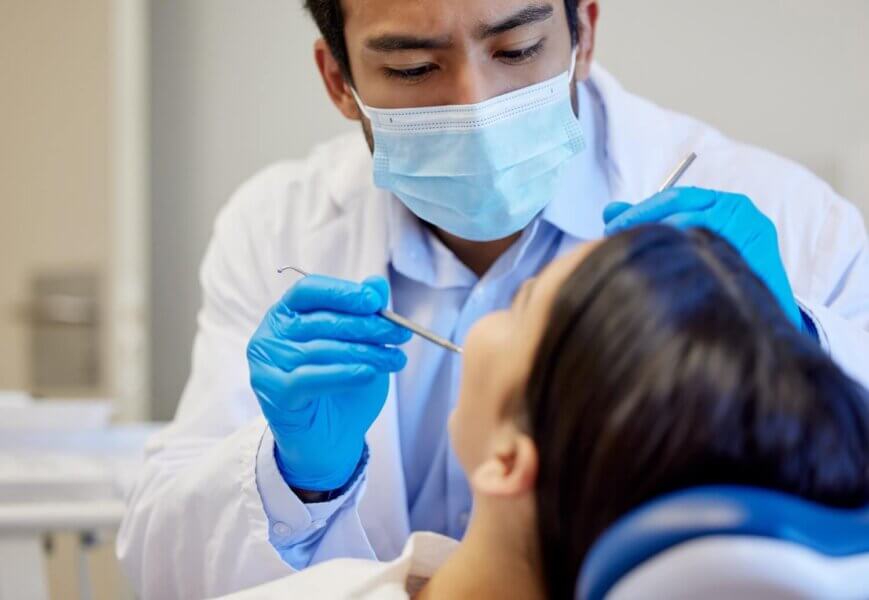
When a patient visits for a checkup, they receive a comprehensive and methodical examination. This is far more than a simple visual glance; the team systematically inspects every area, including the lips, tongue, gums, throat (sometimes), and every individual tooth. This methodical inspection is the standard level of care patients should expect from their dental professionals, ensuring issues are identified early.
Hebert Family Dentistry: Commitment to Comprehensive Oral Care
At Hebert Family Dentistry, the approach to dentistry is deeply rooted in this comprehensive, scientific understanding of health. The highest priority is extending comfort and care to every patient and their family. Recognizing that a healthy smile plays a crucial role in overall health and well-being, the team offers high-quality dental care and utilizes expertise and technology to keep teeth functional, healthy, and visually appealing. The practice offers an expansive range of services to meet all dental needs, from routine dental cleanings to more advanced treatments.
Proactive Cancer Screening
A critical, life-saving component of the routine checkup is the proactive measure of screening for oral cancer. This proactive examination is vital for assessing oral health and for identifying or ruling out any signs of oral cancer. During this crucial step, the dental professional inspects the mouth for tissue abnormalities. This inspection may involve shining a special light or asking the patient to rinse with a specific identifying dye. Should any abnormal tissue be revealed, the patient may be referred to a specialist to retrieve a biopsy of the area in question or asked to return for a follow-up appointment.
Advanced Treatment Solutions
The extensive range of services available at the practice ensures that every facet of a patient’s oral health is addressed. Beyond foundational cleanings and exams, the practice provides specialized Periodontal Therapy to treat severe gum disease and addresses functional issues through fillings, crowns, root canals, wisdom teeth removal, and extractions. When restorative solutions are needed for missing teeth, services such as dental implants, bridges, and dentures are offered. Furthermore, the practice offers specialized care for issues like TMJ disorder and snoring/sleep apnea. For patients seeking cosmetic enhancement, options like veneers and Clear Correct are available.
Prioritizing Comfort and Technology
The team at Hebert Family Dentistry understands that dental care must be patient and painless. To ensure comfort, sedation options are available. The practice steps into a new era of dental excellence by incorporating advanced, proven technology. This includes transformative tools like Digital X-Rays and CEREC® CAD/CAM, which allow for single-visit crowns, enhancing both the quality and efficiency of care.
The full scope of services, combined with the dedication to patient comfort, is why routine visits to Hebert Family Dentistry are the essential next step toward a healthier smile and a healthier life. By partnering with dedicated professionals who prioritize thorough care and early detection, you move beyond the limits of daily brushing and establish a strong, scientifically supported defense for your overall health. Ignoring the need for professional, methodical oversight is akin to relying on a simple fence to guard a complex fortress; true protection requires expert vigilance and comprehensive tools.