When Old Fillings Need to Be Replaced
Dental fillings are designed to restore teeth affected by decay, but they are not a permanent solution. Over time, fillings can wear down, crack, or become loose, putting the tooth at risk for further damage.
Understanding when they need attention is essential for protecting your teeth, preventing decay, and maintaining a healthy, functional smile. Regular dental exams play a key role in identifying potential problems before they become serious.
Why Fillings Wear Out Over Time
Daily chewing, grinding, and exposure to temperature changes place stress on dental fillings. Over time, this can cause fillings to crack, loosen, or wear down.
Fillings may no longer seal the tooth completely, allowing bacteria to penetrate beneath the restoration. This increases the risk of decay, infection, and potential damage to the underlying tooth structure. Even high-quality fillings will eventually show signs of wear, which is why ongoing monitoring is important.
Signs an Old Filling May Need Attention
Several signs may indicate that a filling is failing:
- Sensitivity to hot, cold, or sweet foods
- Discomfort when chewing
- Sharp edges on a tooth or feeling rough spots
- Visible cracks, gaps, or discoloration around the filling
Sometimes, they show no symptoms at all. This makes routine dental exams crucial for detecting issues early, before more extensive treatment is required.
Risks of Leaving Untreated
When a filling fails, bacteria can reach the tooth’s inner layers, leading to decay or infection. Untreated decay beneath an old filling can result in more complex treatments such as a crown or root canal.
Ignoring damaged fillings may also affect adjacent teeth, as bacteria can spread and compromise overall oral health. Maintaining regular dental checkups allows problems to be addressed promptly, reducing the need for invasive procedures.
How Dentists Evaluate Old Fillings
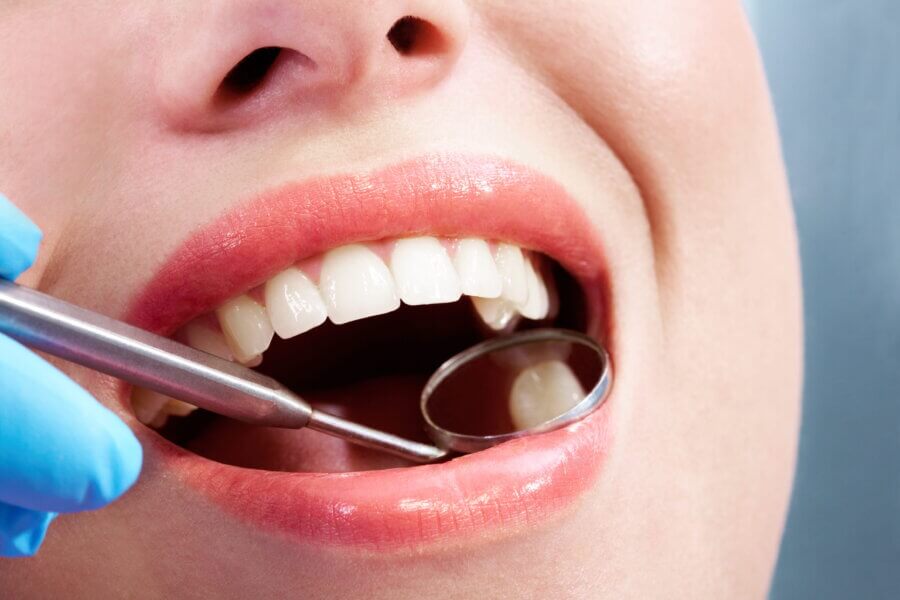
During routine exams, dentists carefully assess existing fillings for signs of wear or damage. X-rays are often used to detect decay beneath fillings that cannot be seen visually.
Early detection of compromised fillings allows for simpler replacement, often preserving more of the natural tooth. This approach helps maintain both the strength and appearance of teeth while preventing more serious issues from developing.
Modern Filling Materials and Techniques
Advances in dental materials have improved both the durability and appearance of fillings. Today, replacement fillings are designed to blend naturally with teeth and restore strength effectively.
Modern techniques enable the precise placement of fillings, ensuring a tight seal that protects against bacteria and decay. Tooth-colored composite materials are often used for a natural look while maintaining long-lasting function.
Staying Ahead of Dental Issues
Replacing old fillings when necessary is a proactive approach to maintaining tooth health and preventing more complex problems. Regular dental visits, combined with proper oral hygiene, ensure that restorations continue to protect your teeth and support a healthy smile.
If you have older fillings, experience tooth sensitivity, or notice changes in your dental restorations, schedule an evaluation with Hebert Family Dentistry. Early intervention helps keep your teeth strong and prevents the need for more invasive dental procedures in the future.
For additional guidance on dental restorations and when to replace fillings, the American Dental Association offers helpful recommendations based on current dental research.